
You have valuable expertise to share, but before you start writing, discover whether your big idea truly belongs in a book—and whether now is the right time to write it.
Key Takeaways From Does Your Expertise Belong in a Book?
- Start with the outcome, not the topic.
- Not every big idea needs to become a book.
- A book needs enough depth to earn its length.
- Your reader matters more than your expertise.
- The right book can still be the wrong project right now.
The Best Format for Your Big Idea!
You have an idea that matters. Perhaps it comes from years of professional experience, research, teaching, consulting, clinical work, leadership, or advocacy. You may have developed a framework, discovered a better way to solve a problem, or accumulated knowledge you believe could help far more people than you can reach through your work alone.
At some point, the possibility of writing a book appears.It is an appealing idea. A book can extend your reach, strengthen your authority, support your business, create new professional opportunities, advance a cause, preserve important knowledge, or become part of the legacy of your work.
But there is an important question to answer before you begin: Does this idea actually need to become a book?
A course may be better when people need instruction, exercises, and interaction. A workshop may be better when the transformation depends on doing the work together. A podcast or video series may be better when the subject benefits from an ongoing conversation. A short guide may be enough when the idea can be communicated clearly and usefully without 60,000 words.
A book is one vehicle for an idea. It is not automatically the best one.
Start With What You Want the Book to Make Possible
Potential authors often begin with the topic they want to write about. But before deciding what the book will contain, it helps to ask what you want the book to accomplish.
Do you want to reach people you cannot work with personally? Strengthen your credibility in your field? Open opportunities for speaking or teaching? Support your consulting or professional practice? Change the conversation around an issue? Preserve a body of knowledge?
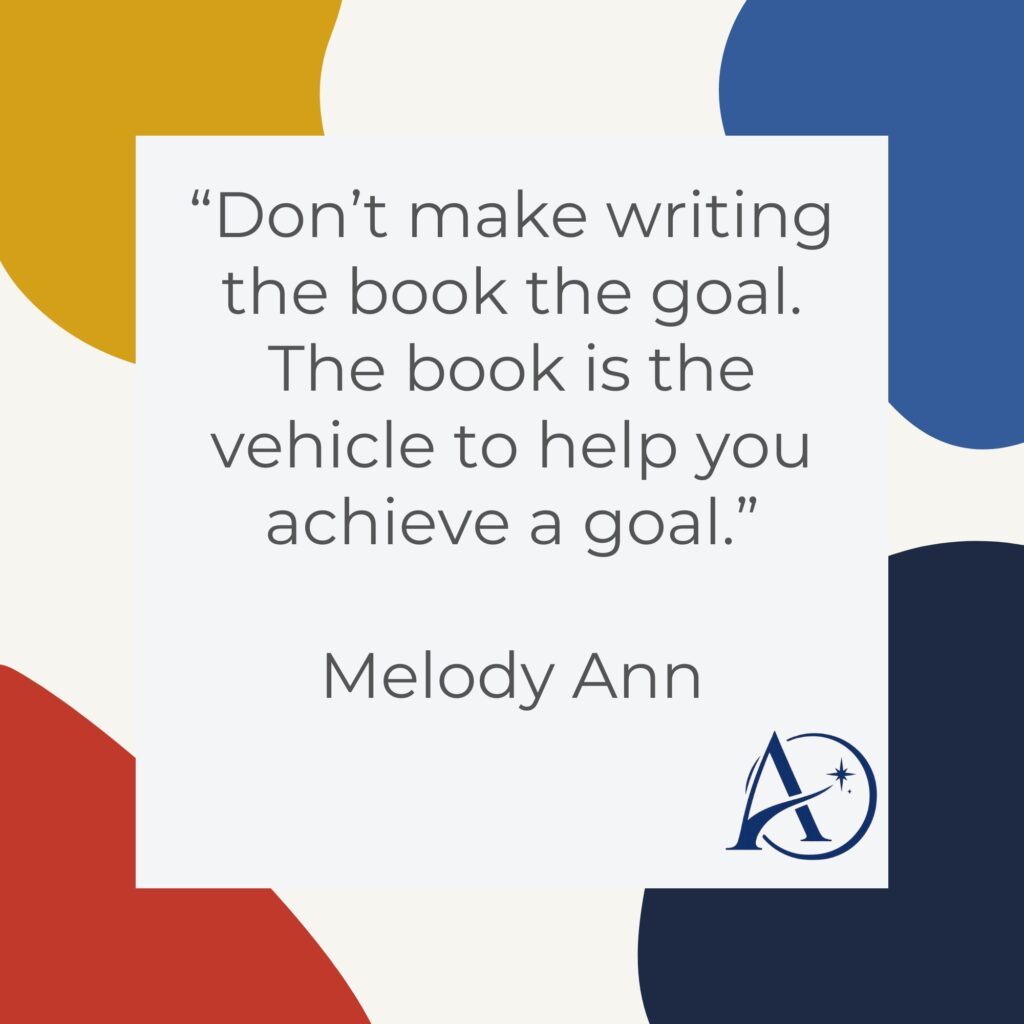
Writing the book itself does not need to be the ultimate goal. The book is the vehicle. First, decide where you are trying to go. Once the desired outcome is clearer, you can make a better decision about whether a book is the right vehicle for getting there.
Does the Idea Need the Space of a Book?
Some ideas genuinely need a book. They require stories, examples, evidence, explanation, context, and enough space to guide a reader through a meaningful shift in understanding.
Others do not. A strong workshop idea can become weaker when stretched unnecessarily into 250 pages. A useful framework may be more effective as a course. An insight that changes how people think may work beautifully as an article or keynote. Length does not automatically create value.
Ask whether your reader would benefit from spending several hours with this idea. Does the idea have enough depth and development to sustain a full book? Will the longer format help the reader understand or use the material in a way a shorter format cannot?
If the answer is yes, you may have something worth developing.
Is There a Reader Who Will Care?
The next question is not simply whether the idea interests you but who needs it. A nonfiction book becomes much stronger when it is connected to a specific reader with a meaningful problem, question, decision, aspiration, or need.
You do not need to be the first person ever to write about your subject. Most valuable books enter conversations that already exist. Your contribution may come from your professional experience, research, method, perspective, stories, evidence, or your ability to explain something in a way that finally becomes useful.
The important question is not whether someone else has written about the topic. It is whether you have something meaningful to contribute to a reader who has a reason to care.
Is This the Right Time?
A book can be the right project without being the right project now. Writing one requires time, attention, energy, and resources. If you cannot make meaningful room for the project, you may spend years carrying around the guilt of “working on a book” without actually developing it.
That does not always mean abandoning the idea. Your next move might be to test the concept through articles or workshops, speak with potential readers, gather stories and research, clarify the audience, or create space in your schedule before beginning the manuscript.
At the same time, waiting until life becomes completely calm is rarely a useful strategy.
The more practical question is: Does this book matter enough to become a genuine priority now?
Book, Course, or Workshop?
There is no universal hierarchy in which a book is more valuable than a course, workshop, podcast, or another form of content. The strongest format is the one that helps your idea do its job. If your reader needs sustained attention, depth, context, evidence, stories, and a deliberate progression of ideas, a book may be exactly the right vehicle. If the idea needs participation, practice, demonstration, interaction, or frequent updating, another format may serve it better.
And sometimes the answer is not either-or. A book can become the foundation for workshops, courses, speaking, consulting, or other forms of work. But the decision should begin with the reader and the purpose—not with the prestige of being able to say you wrote a book.
How This Information Can Benefit You on Your Author Journey
This topic can help an aspiring author avoid rushing into a manuscript before they know what they are actually trying to achieve. Instead of assuming that every valuable idea belongs in a book, they can evaluate the idea strategically: what outcome they want, who they want to reach, what that reader needs, and whether a book is the best format.
That decision can save enormous amounts of time and energy. It can also give an author greater confidence when the answer is yes. Rather than writing a book simply because they have expertise to share, they can move forward knowing why this book needs to exist, who it is for, and what they want it to accomplish.
And if the idea isn’t ready yet—or isn’t really a book—the author hasn’t failed. They have made a valuable discovery that can shape their next step.
3 Quick Actions to Get on Track
Define the destination.
Write one sentence answering: “I want this book to make ______ possible.” Be specific about the change, opportunity, or outcome you want.Test the idea against the reader.
Choose one specific reader and write down the problem, question, or aspiration that would make them care about your idea.Choose the right vehicle.
Ask yourself: “Would this idea genuinely benefit from the depth and space of a book?” If yes, identify what the reader needs to understand or experience across the book. If not, consider whether a course, workshop, article, podcast, or guide would serve it better.
Is a Book Your Best Next Move?
Before committing months or years to writing, ask yourself four questions:
What do I want this book to make possible?
Does this idea genuinely need to be a book?
Who is the reader, and why will they care?
Is this important enough to become a priority now?
The answers can save you from spending years writing the wrong book—or help you recognize that the book you have been considering really does deserve to be written.
I explore these questions in more depth in Is a Book Your Best Next Move?, the first workshop in The Book Worth Writing Series. (Click the link to check it out!)
Join the Conversation
What do you hope writing a book would make possible for you?
Recent Articles

Why Your Content Isn’t Working Together
Learn how to build a Content Ecosystem From Your Expertise where your book, podcast, newsletter, workshops, and other content each have a clear purpose and

You Already Have the Material for Your Book
Before you sit down to write thousands of new words, take a closer look at what you’ve already created, you may discover that you already

Write Your Own Book Without Writing It Alone
Write Your Own Book Without Writing It Alone, explore four ways to bring your nonfiction book to life, from independent writing to professional support, collaboration,