
Choosing the right editor for your nonfiction book involves more than comparing prices. Learn how to evaluate an editor’s experience, and services so you can protect your voice, strengthen your manuscript, and find the right fit for your author journey.
Key Takeaways From How Do I Compare Book Editors?
- Look beyond price. Compare editors based on their relevant experience, editorial skills, process, communication, and professional judgment.
- Find the right kind of editing. Understand what your manuscript needs before choosing an editor or editing service.
- Prioritize a good fit. Genre knowledge and credentials matter, but so does finding someone who understands your goals and respects your expertise.
- Protect your voice and ideas. A good editor helps you communicate more effectively without taking ownership of your work.
- Ask questions before committing. A thoughtful conversation and a clear agreement can help you avoid hiring the wrong editor.
- The hidden reasons your book isn’t done yet are fixable once you understand them.
A Guide for Nonfiction Authors
Choosing an editor is an important decision for any fiction or nonfiction author. Your book may represent years of research, professional experience, personal reflection, or a framework you’ve spent years developing and you want an editor who can help you communicate your ideas clearly without losing what makes your book yours.
So, how do you compare book editors and find the right person for your manuscript?
The answer goes beyond price, qualifications, or a polished website. You need to understand what each editor offers, how they approach your work, and whether you feel comfortable trusting them with your book.
How Do I Compare Book Editors?
If you’ve decided that your manuscript is ready for professional editing, your next task is to find an editor who is right for both you and your book.
Start by exploring your options. Ask for referrals, research editors who work with nonfiction authors, and arrange conversations with a few potential candidates.
Even if someone you trust recommends an editor, take the time to determine whether they’re a good fit for YOUR project. An editor who worked well with another author might not offer the particular skills or support you need.
When comparing editors, consider the following:
Relevant experience: Have they worked on books similar to yours, or do they understand your subject matter and intended audience?
Editorial skills: Can they identify the problems you’re struggling with and explain how they would address them?
Process and scope: Do they clearly explain what their service includes and what you can expect to receive?
Communication: Are they willing to answer your questions and discuss your concerns?
Editorial judgment: Do their recommendations make sense to you? Can they explain why a particular change might benefit your book?
Professional fit: Do you feel comfortable discussing your work with them?
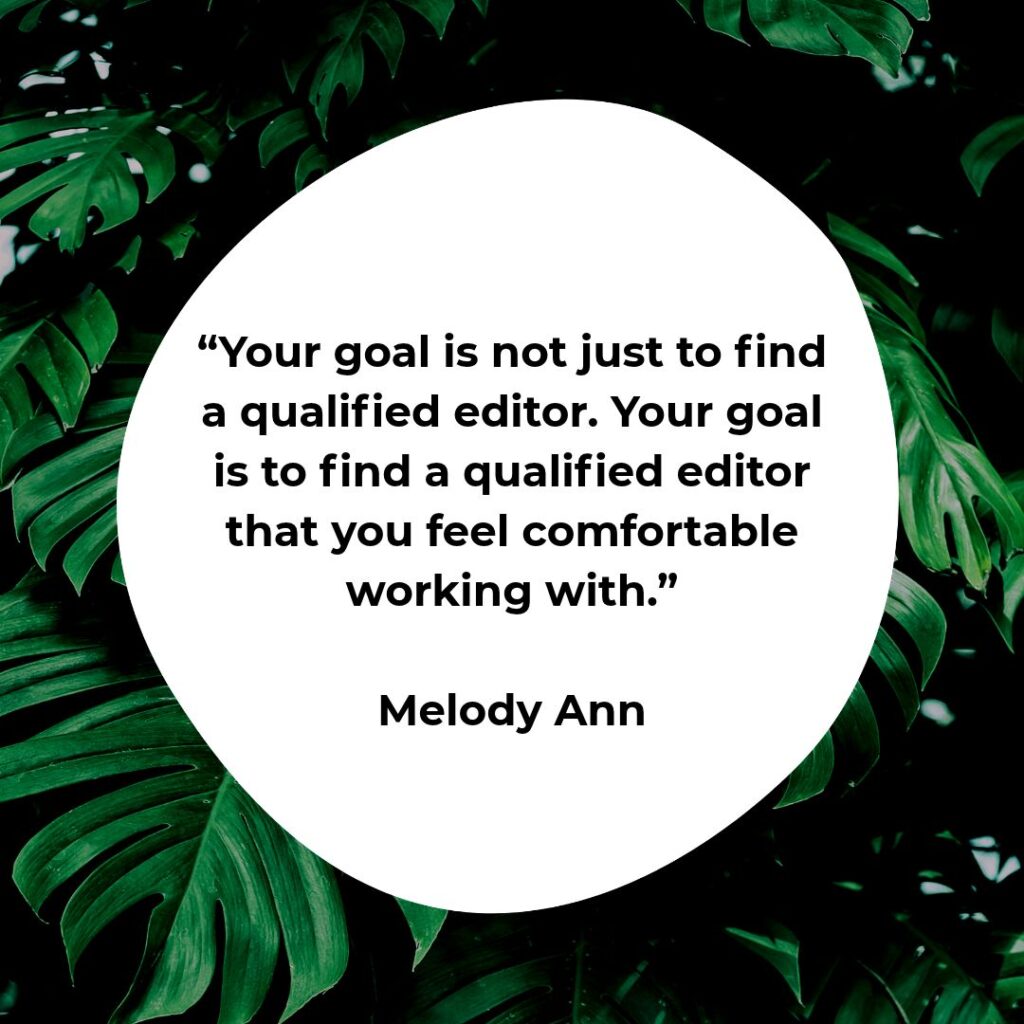
Your goal isn’t simply to find someone qualified to edit a manuscript. It’s to find someone whose skills, approach, and working style suit your book and your needs as an author.
Does Your Editor Need Experience in Your Genre?
Genre experience can be valuable because different kinds of books have different reader expectations, structures, conventions, and challenges.
For nonfiction authors, it’s worth considering whether an editor understands the type of book you’re writing. A memoir, business book, health guide, and self-help book each have different demands and an editor who understands your genre may be better equipped to recognize what readers need and where your manuscript might fall short.
However, genre experience is only one factor.
An editor may have strong editorial skills without having worked on a book about your particular subject before. Sometimes, you might even prefer someone who is unfamiliar with your industry because you want to know how your ideas land with a reader who isn’t already an expert.
There are benefits to both approaches. An editor with industry experience may recognize nuances and terminology that another editor could miss. Someone outside your field may notice assumptions, gaps, or explanations that need to be clearer for a general audience.
The important thing is transparency, your editor should be honest about their experience and confident about the skills they bring to your project.
Should You Consider a Newer Editor? Every experienced editor started somewhere.
A newer editor may be a good option, particularly if your budget is limited. However, it’s important to understand what you’re getting and what support the editor has received.
Ask questions such as:
What training have you completed?
Have you worked with a mentor or completed an internship?
What kinds of manuscripts have you worked on?
What would you do if you encountered a problem outside your experience?
You don’t necessarily need the editor with the longest résumé. You need someone with the appropriate skills, sound judgment, and an honest understanding of their abilities.
How Important Are Editor Credentials?
An editor’s credentials can tell you something about their training, professional development, and experience. However, there isn’t one qualification that automatically makes someone the right editor for your book.
Editors arrive at the profession through different routes. Some have degrees in language, linguistics, or professional writing. Others begin in journalism or work in a specialist industry before completing editorial training or certification.
Each path can provide a useful foundation.
When comparing book editors, consider their qualifications alongside their practical experience and the quality of their thinking.
Can they explain what your manuscript needs and why?
Do they understand the problems you’re trying to solve?
Can they demonstrate that they know how to address those problems?
Credentials are one piece of the decision, not the whole picture.
Should You Ask for a Sample Edit?
A sample edit can help you understand an editor’s approach, particularly when you’re considering line editing or copy editing.
It may give you a sense of how much intervention the editor uses, the kinds of changes they suggest, and whether their approach feels right for you.
However, a sample isn’t always the best way to assess an editor’s skills.
Developmental editing, for example, requires an understanding of the manuscript as a whole. An editor cannot fully assess the structure, progression of ideas, or overall effectiveness of a nonfiction book by looking at a short extract in isolation.
If you’re considering developmental editing, ask the editor how they assess a manuscript and determine what it needs.
Also, don’t assume that a sample edit will be free. Some editors offer short samples, while others charge for this work. An editing sample is still professional work, and it’s reasonable for an editor to charge for their time and expertise.
Will an Editor Rewrite Your Stories or Change Your Ideas?
Many nonfiction authors worry about how much control they’ll retain over their manuscripts once an editor becomes involved.
Perhaps you’ve developed a framework through years of professional experience. Maybe your book includes personal stories that illustrate your ideas, or you’ve found a particular way of explaining a complex subject.
You want your book to improve, but you don’t want it to become someone else’s book. A good editor should help you communicate your ideas effectively, not replace them with their own.
Will an Editor Rewrite Your Stories?
An editor may recommend shortening a story, moving it to another chapter, expanding it, or connecting it more clearly to the point you’re making. They might also suggest removing a story if it doesn’t serve the book’s purpose or help the reader understand your message.
These recommendations should be intended to strengthen the manuscript and make it more effective for your audience, not simply to eliminate material.
Will an Editor Change Your Ideas?
Your ideas, expertise, and frameworks belong to you. An editor may recommend clarifying an idea, simplifying a complicated explanation, reorganizing a framework, or expanding a section that needs more context. They may question whether a concept is being communicated as clearly as it could be, but that doesn’t mean they’re trying to replace your thinking.
For nonfiction authors, this distinction is particularly important. You bring the subject knowledge and experience that make your book valuable. Your editor brings an outside perspective and the skills to help you communicate that value to readers.
The two roles should complement each other.
How Does an Editor Preserve Your Voice?
Your voice is part of what makes your book distinct. It includes your tone, rhythm, personality, sense of humour, and the way you connect with your intended audience.
An editor should improve your writing without making every sentence sound like them.
This requires more than correcting grammar or smoothing out awkward sentences. A good editor takes the time to understand your purpose, your readers, and the way you want to communicate before making recommendations.
For a nonfiction author, preserving your voice also means respecting your professional perspective. Your book should still reflect your expertise, your way of thinking, and your relationship with your audience.
The goal is to help your voice come through more clearly and consistently, not to make your manuscript sound as though someone else wrote it.
If you’re concerned about losing your voice during editing, raise that concern before the project begins. Explain what matters to you about your writing style and ask how the editor approaches voice preservation.
You should be able to discuss these concerns openly.
Will an Editor Change My Book’s Structure?
Yes, particularly if you’re working with a developmental editor. If the current organization makes your manuscript harder to understand, harder to read, or less effective, a developmental editor may recommend structural changes.
For nonfiction books, structure plays an important role in how readers absorb and apply information. Even excellent ideas can lose their impact if they’re presented in an order that confuses readers or makes it difficult to follow the argument.
Structural recommendations might include:
Moving chapters into a different order.
Combining sections that cover similar material.
Dividing a long chapter into shorter, more manageable sections.
Removing repetition.
Adding material where an explanation or argument is incomplete.
Reorganizing ideas to create a clearer progression.
For example, a business book might introduce a strategy before explaining the problem it solves. A developmental editor could recommend moving the problem earlier so readers understand why the strategy matters.
That doesn’t mean your original structure was necessarily wrong. It means there’s an opportunity to consider how readers experience the book and whether a different arrangement would serve them better.
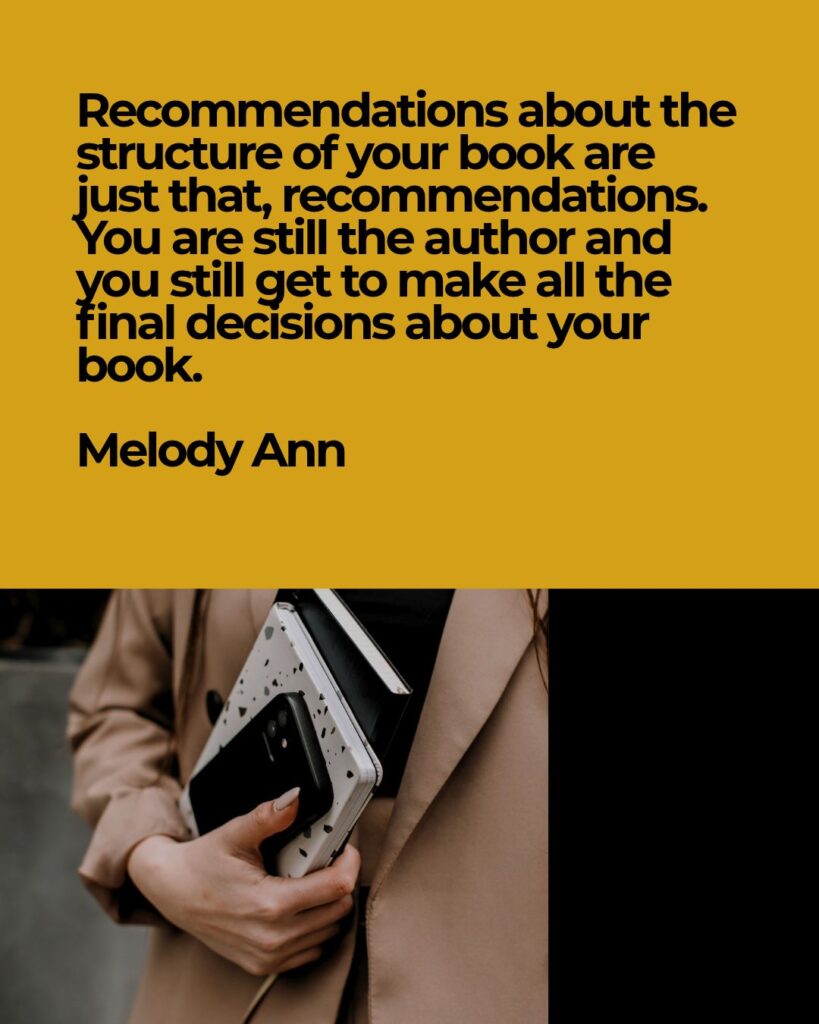
Remember that structural recommendations are recommendations. You remain the author and retain the final say over your manuscript.
Before hiring a developmental editor, ask how they present structural feedback and what happens if you disagree with a recommendation. You should understand their role and feel comfortable discussing their suggestions.
How Much Communication Should You Expect?
Communication needs vary depending on the type of editing and the support you want.
A proofreading project may require relatively little discussion because the work focuses on correcting errors in an otherwise finished manuscript. Developmental editing, on the other hand, often involves more substantial feedback and questions about structure, content, and the reader’s experience.
Some authors are happy to receive an editorial report and work through the recommendations independently. Others want meetings, coaching, follow-up discussions, or support while revising their manuscripts.
Neither approach is inherently better. What matters is finding an arrangement that works for you.
Before committing to an editor, ask:
How will we communicate during the project?
Will I be able to ask questions about the feedback?
Are meetings or follow-up discussions included?
Can I get support while implementing revisions?
If additional support is available, what will it cost?
Make sure the answers are reflected in your proposal or agreement where appropriate.
It’s also worth considering whether you’ll have direct access to the person editing your book, some larger editing services may offer lower prices but provide limited opportunities to communicate with your assigned editor. If discussing your work directly with the editor is important to you, clarify this before signing or paying.
Clear expectations help prevent misunderstandings later.
What Should an Editing Agreement Include?
A written agreement protects both you and your editor by making sure everyone understands what has been promised.
A thorough editing proposal or agreement should explain what you’re buying, how the project will work, and what you can expect to receive.
Look for the following elements.
Project summary and scope of work
The proposal should describe the project, the type of editing being provided, the approach the editor will take, and the specific work included.
It should also explain what isn’t included. For example, a developmental edit isn’t the same as a final copy edit or proofread. Understanding this distinction helps you plan for any additional editing your manuscript may need.
Deliverables
Make sure you know what you’ll receive at the end of the project. This might include an edited manuscript, an editorial report, or other agreed-upon materials.
Communication arrangements
The agreement should explain how you’ll communicate, which tools you’ll use, and whether meetings or follow-up discussions are included.
Timelines and deadlines
Confirm the expected turnaround time and any deadlines that apply to you. The agreement should also explain what happens if the schedule changes.
Fees and payment terms
The proposal should clearly state the price, payment schedule, and any additional fees that might apply. For example, the cost may need to be renegotiated if the manuscript grows significantly beyond the agreed word count or the project scope changes.
Limitations
Understand what the editor will and won’t do. Some editors may also recommend using different professionals for different stages of editing, allowing fresh eyes to assess the manuscript at each stage.
The more clearly these details are documented, the easier it is for both parties to understand their responsibilities.
What About AI Use During Editing?
AI use is another important topic to discuss before an editing project begins.
If you’ve used AI while developing your manuscript, tell your editor how you’ve used it. This information may affect the feedback they provide, including recommendations concerning your writing process and potential copyright concerns.
You should also ask whether your editor uses AI tools and, if so, how they use them.
Some authors may be comfortable with certain applications of AI, while others may prefer that no AI tools be used in the editing process. If you have a preference, communicate it clearly and ask for the agreed arrangement to be documented in writing.
This transparency matters because authors need to understand how their work is being handled. You should not have to guess whether an editor is using AI as part of a service you’re paying a human professional to provide.
Clear disclosure and agreed expectations help both parties make informed decisions about the project.
How Do I Avoid Hiring the Wrong Editor?
How do you reduce the risk of a disappointing editing experience? There is no way to guarantee that every working relationship will be perfect. However, you can make a more informed decision by taking the time to ask questions, understand the proposed service, and assess whether the editor is a good fit.
Start with a conversation.
Explain what you’re writing, who the book is for, and what you believe isn’t working in your manuscript. Perhaps your chapters feel disorganized, your ideas are difficult to explain, or you’re unsure whether your book offers enough practical value to readers.
Pay attention to how the editor responds.
Do they ask thoughtful questions about your manuscript and your goals? Do they listen to your concerns? Can they explain their recommendations in a way that makes sense to you?
You don’t need to agree with every suggestion an editor makes. However, you should be able to understand their reasoning and discuss your differences respectfully.
Be cautious about committing to a service if you don’t understand what you’re buying, can’t establish who will work on your book, or can’t get clear answers about the process.
Most importantly, make sure you have a clear written agreement before the work begins.
A good working relationship depends on both parties understanding the job, the expectations, and the boundaries of their respective roles.
What Should You Know Before Hiring a Book Editor?
Before you sign an agreement, make sure you can answer six basic questions:
What kind of editing does my manuscript need? Understanding your manuscript’s needs will help you identify the right service.
What exactly is included? Know what the editor will do and what falls outside the scope of work.
How will the project work? Understand the process, deliverables, and expected timeline.
What will it cost? Confirm the fees, payment arrangements, and potential additional charges.
How will we communicate? Establish what support is available and how you’ll ask questions.
Do I trust this editor’s judgment? Consider whether you feel comfortable with their approach and confident that they respect your role as the author.
These questions can help you compare your options and make a decision based on more than price or credentials alone.
How Does This Help You On Your Author Journey?
Choosing the right editor helps you move forward with confidence, knowing your manuscript is in capable hands. By understanding editing services, asking the right questions, and setting clear expectations, you can protect your voice and ideas while making your book stronger for your readers. You’ll also avoid costly misunderstandings and build a more productive working relationship with your editor.
3 Quick Actions To Help You Choose An Editor
1. Identify your needs (3 minutes): Write down the three biggest challenges you’re facing with your manuscript to help determine what kind of editing you need.
2. Research potential editors (5 minutes): Find two editors who work with nonfiction books and compare their experience, services, and communication approaches.
3. Prepare your questions (5 minutes): Write down three questions to ask a potential editor about their process, what’s included in their service, and how they preserve your voice and ideas.
Keep an eye out for our next episode! We’ll be talking all about ghostwriting!
Recent Articles
How Do I Compare Book Editors? | How do I avoid hiring the wrong editor?
October 29, 2026
No Comments
Choosing the right editor for your nonfiction book involves more than comparing prices. Learn how to evaluate an editor’s experience, and services so you can
What Is a Fair Price for Book Editing?
October 22, 2026
No Comments
What is a fair price for book editing? Discover what influences editing costs, how to compare quotes, and how to choose an editor whose expertise
Does My Manuscript Need More Revision? | When to Stop Editing Your Own! Book
October 15, 2026
No Comments
Wondering whether your nonfiction manuscript needs another round of revision? Learn how to recognise when more self-editing will genuinely strengthen your book—and when an outside