
What Makes Authors Forgettable? Discover why writers play it too safe, strengthen your unique voice, and create a standout book.
Key Takeaways About What Makes Authors Forgettable
- The biggest risk for nonfiction authors is not being too different, it's being forgettable.
- Studying successful books helps you understand the market, but copying them weakens your unique voice.
- Many authors lose their voice because they prioritize fitting in over contributing something new.
- Writers often play it too safe out of fear of judgment, rejection, or standing out.
- Readers don't want another version of the same book, they want a fresh perspective.
- Your experience, expertise, and worldview are your greatest competitive advantages.
What Makes Authors Forgettable?
One of the fastest ways to make your book invisible is to write the same book as everyone else. Many nonfiction authors spend months researching bestselling books in their category. That’s smart. Understanding your market is an important part of writing a successful book.
The problem begins when research turns into imitation, you look at successful authors in your niche and think: “Maybe I should write a book more like theirs.”
At first, that feels logical. After all, if something is already working, why not follow the same path? But this is exactly where many authors begin to lose what makes their work valuable, they start trading originality for familiarity.
That’s the fastest way to be forgettable.

Why Authors Lose Their Voice
Recently, I worked with an author who was outlining her nonfiction book. Many of the chapters felt competent and professional. They covered the expected topics, and they sounded similar to other books in the market.
Then we reached one chapter that immediately stood out. It was different, it reflected her personal experiences, her unique framework, and the way she saw the world. When I asked why this chapter felt different, she admitted something interesting: “This is what I really want to write. But it’s different.”
That specific hesitation is common among nonfiction authors. We assume readers want us to sound like the experts they’ve already heard from. We worry that our ideas may be too unconventional, too specific, or too personal. So we dilute our voice.
Instead of writing the book we genuinely want to write, we write the book we think we’re supposed to write. The result is a manuscript that fits perfectly into the marketplace, and then disappears into it.
Why Writers Play It Too Safe
Most authors don’t play it safe because they’re lazy, they do it because safety feels smart.
Safe means:
Following proven trends
Using familiar frameworks
Saying what everyone already agrees with
Avoiding criticism
Blending in with peers
Safety creates the illusion of success, but in publishing it often creates sameness. Readers are not looking for another copy of a book they’ve already read, they’re looking for a new lens and a fresh point of view.
They want a new way to understand a familiar problem and when writers play it too safe, they unintentionally remove the very thing readers are searching for.
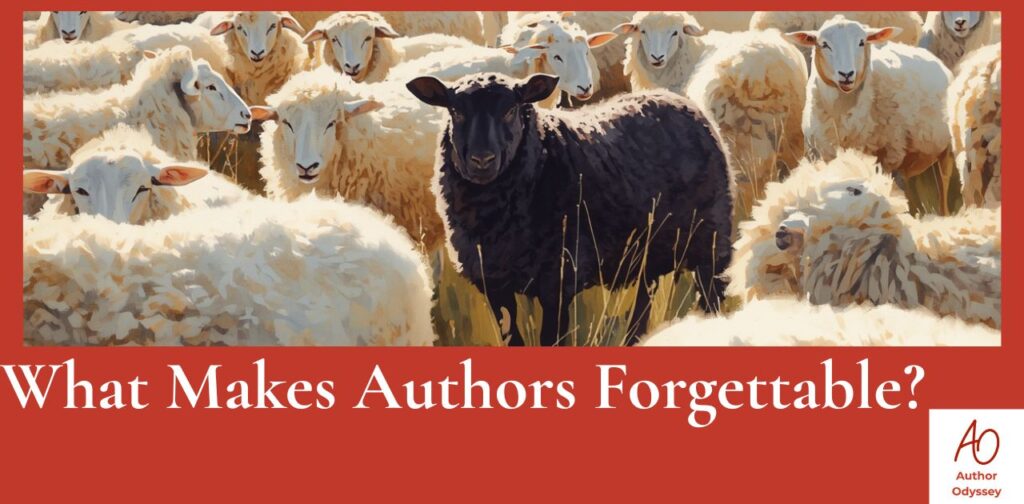
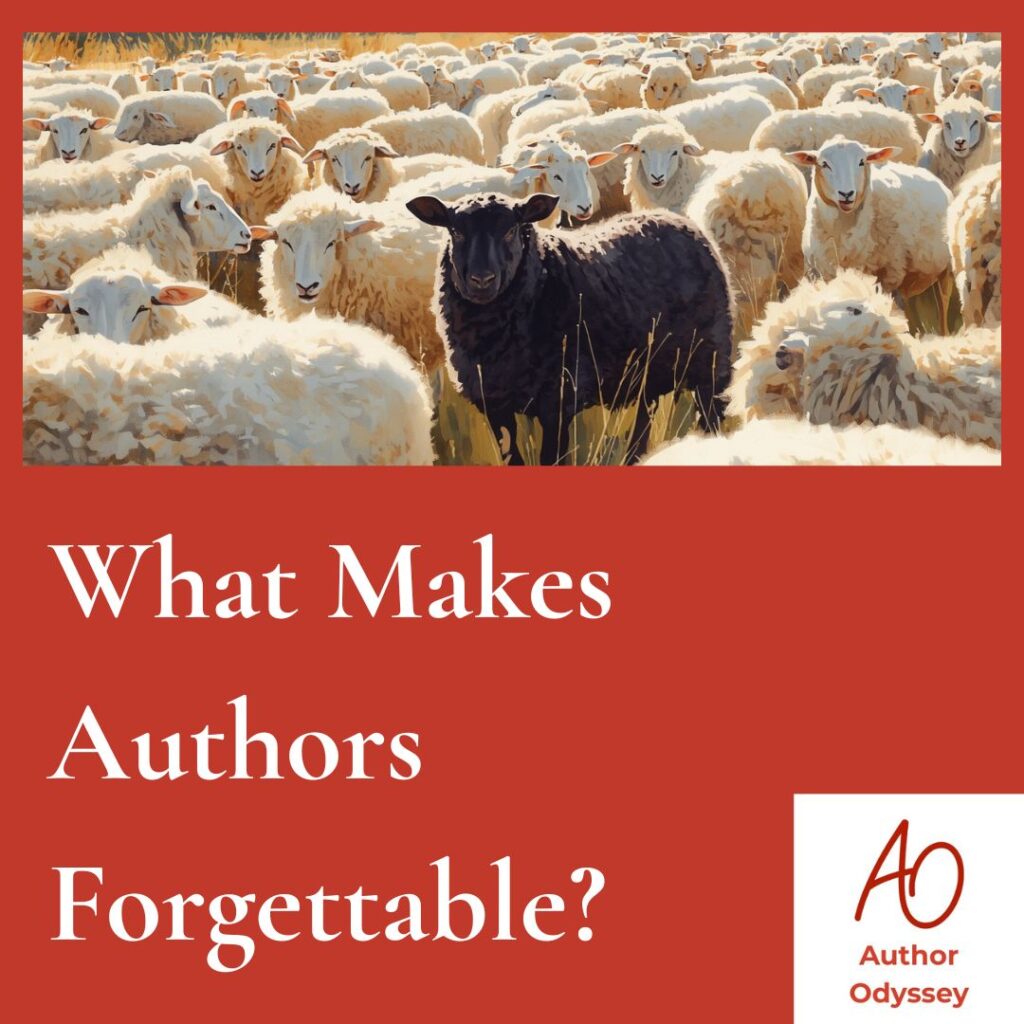
The Herd Mirage
I call this phenomenon the “Herd Mirage.”
It’s the belief that the path to success is staying close to what everyone else is doing. The Herd Mirage whispers things like:
“Don’t stray too far from the trend.”
“This is what readers expect.”
“What will your colleagues think?”
“Just follow the formula.”
The more you listen to those messages, the more generic your work becomes.
The Herd Mirage usually shows up in three ways:
Trend Chasing
Instead of developing your own perspective, you follow whatever book is currently succeeding.
Voice Dilution
You soften or remove your strongest ideas to sound more acceptable.
Safe Imitation
You consciously or unconsciously mimic successful authors in the hopes of achieving similar results.
Ironically, these strategies make it harder, not easier, for readers to connect with your work.
The Cure: Your Unique Perspective
Being different for the sake of being different isn’t the answer, readers still expect your book to solve a recognizable problem.
Your book must fit within its category, but it also needs to stand out within that category. The secret lies in your perspective.
No one has your exact combination of:
Education
Professional experience
Personal stories
Failures
Successes
Observations
Insights
That combination creates a lens that only you can offer, and that lens is often more valuable than the topic itself. There may be thousands of books about leadership, parenting, productivity, health, or business. Readers don’t mind that. People read multiple books on the same subject all the time, what they don’t want is the same book repeated over and over.
How to Stand Out Without Going Off Track
The goal isn’t to ignore your market, you should study it carefully. Look at the books readers love and try to understand what’s working.
Notice what’s missing, then ask yourself a different question. Instead of: “How can I write a book like these?”
Ask: “How can I contribute something these books don’t?”
The Most Memorable Books Add to the Conversation
The nonfiction books readers remember are rarely the ones that perfectly follow the crowd, they’re the books that add something new. A fresh framework, surprising insight, unique story, or a perspective readers haven’t encountered before. When you lean into your voice instead of hiding it, your writing becomes more memorable.
Your ideas resonate more deeply, readers feel connected to your work, and they’re more likely to recommend your book to others.
Final Thoughts
If you’ve been feeling pressure to follow trends, imitate successful books, or shape your manuscript around what feels safest, it may be time to reconsider.
The real question isn’t whether your book fits into its category, the real question is: What are you bringing to the conversation that no one else can? Because what makes authors forgettable isn’t being different, it’s being indistinguishable.
And your greatest opportunity as a nonfiction author is not to sound like everyone else, it’s to sound unmistakably like yourself.
How can these ideas influence your author journey?
Implementing the ideas from this discussion can have a profound impact on your author journey because it shifts the focus from competing with other books to contributing something only you can offer.
Many nonfiction authors spend years trying to find the “right” formula, only to discover they’ve created a book that blends into a crowded marketplace. This discussion reminds authors that success doesn’t come from sounding like everyone else, it comes from bringing a distinctive perspective to a familiar topic.
This Means
You’ll develop a stronger author voice.
Instead of borrowing frameworks, language, and ideas from bestselling authors, you’ll learn to trust your own experiences and insights. This creates a more authentic and compelling book.
You’ll stop second-guessing your unique ideas.
Many writers discard their most original concepts because they seem too different. This approach encourages you to lean into those ideas rather than edit them out.
You’ll create a more memorable book.
Readers may buy books because of the topic, but they recommend books because of the perspective. A unique lens helps your work stand out in a crowded category.
You’ll attract the right readers.
When your book reflects your true voice and expertise, it resonates more deeply with readers who need exactly what you have to say.
You’ll gain confidence in your message.
Instead of constantly measuring yourself against other authors, you’ll focus on your contribution to the conversation.
Three Quick Actions To Avoid What Makes Authors Forgettable
Find Your “Different” Chapter (5 Minutes)
Look through your outline or manuscript and identify the chapter, story, framework, or idea that excites you the most.
Ask yourself:
“What makes this section different from what’s already out there?”
Write down one sentence describing why it feels uniquely yours.
Create Your Perspective Statement (3 Minutes)
Complete this sentence:
“Most books on my topic focus on ________, but I believe ________.”
This simple exercise often reveals the unique lens you’re bringing to the subject.
Audit One Competitor Book (5 Minutes)
Choose a successful book in your category.
Write down:
- One thing it does well.
- One gap or weakness you notice.
- One way your book approaches the topic differently.
This helps you fit into the conversation while identifying opportunities to stand out.
The goal isn’t to be different for the sake of being different. The goal is to be unmistakably yourself.
The authors who build lasting careers aren’t necessarily the ones who follow trends best, they’re the ones who understand the market, respect reader expectations, and then bring a perspective that no one else can replicate. That’s where memorable books come from. That’s also where the most rewarding author journeys begin.
Recent Articles
What Is a Fair Price for Book Editing?
What is a fair price for book editing? Discover what influences editing costs, how to compare quotes, and how to choose an editor whose expertise
Does My Manuscript Need More Revision? | When to Stop Editing Your Own! Book
Wondering whether your nonfiction manuscript needs another round of revision? Learn how to recognise when more self-editing will genuinely strengthen your book—and when an outside
Choose the Right Editing Service | Which Level of Editing Does My Manuscript Need?
Not sure what kind of editing your nonfiction book needs? Start with what feels off in your manuscript, and discover the right kind of editorial