
How to Stop Writing to Everyone and Create a Book Your Reader Can’t Put Down

How to Stop Writing to Everyone and Create a Book Your Reader Can’t Put Down

Author Odyssey Planning Realm Podcast

Discover how to stop writing to everyone and create a book your reader can’t put down by focusing on what truly matters

Listen on Your Favorite Podcast Platform

Key Takeaways for Nonfiction Authors

How to Stop Writing to Everyone and Create a Book Your Reader Can’t Put Down

If you want to know how to stop writing to everyone and create a book your reader can’t put down, the shift you need isn’t about better prose or more research. 

You’re a nonfiction author, and you’ve more than likely poured your heart into your book idea.

You’ve clarified your message. You know why it matters. You have insight, experience, and maybe even a proven framework.

But here’s the uncomfortable question: Will your reader keep reading? You’re in the right place to find that out!

If you want to know how to stop writing to everyone and create a book your reader can’t put down, the shift isn’t about better prose or more research.

It’s about learning to design a book that speaks directly to one person, and choosing to focus your book on the right reader before you write another chapter.

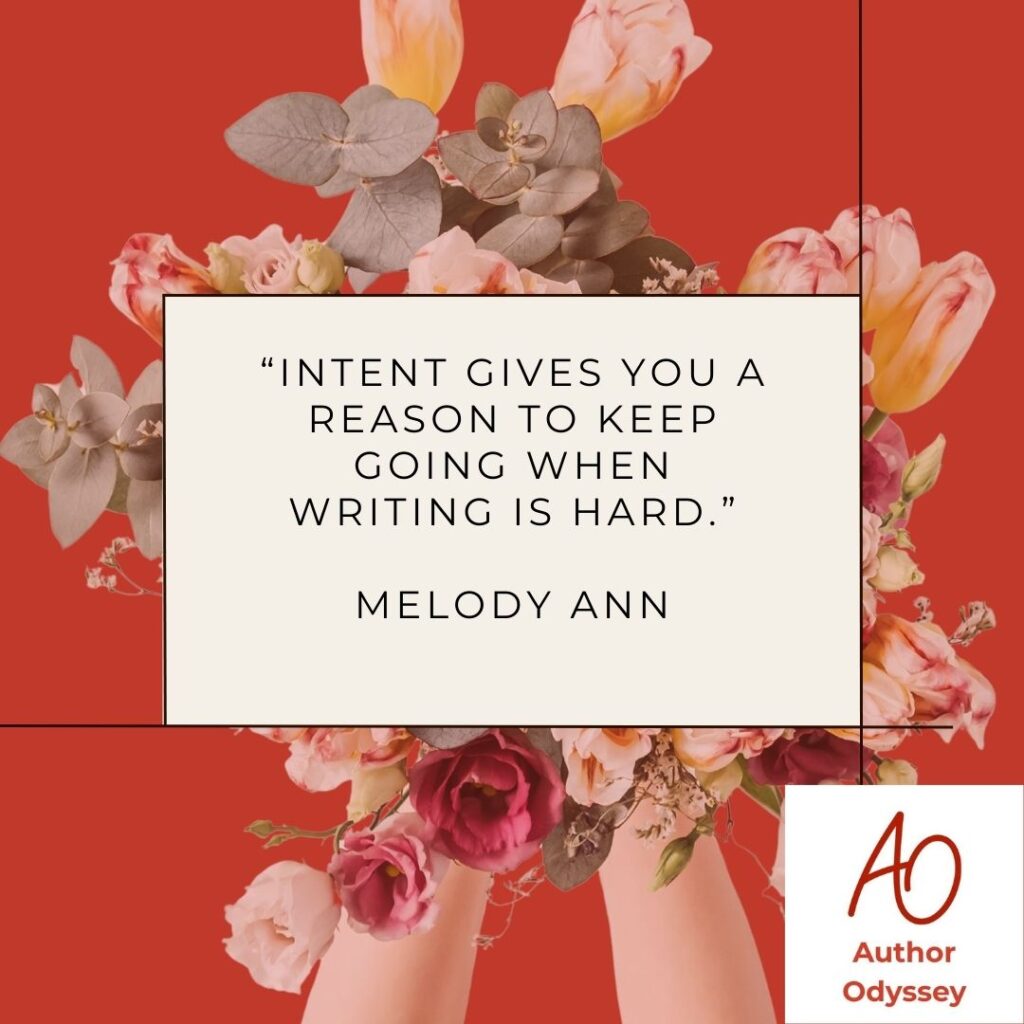
“Intent gives you a reason to keep going when writing is hard.”

Intent Is Not Enough

Last week, you may have clarified your intent. You asked:

  • Why am I writing this book?

  • What do I want it to do for me?

  • What impact do I want to create?

That’s powerful work. Intent keeps you going when writing gets hard, and it does. But intent alone is not enough. It may keep you writing, but it does not guarantee your reader will keep reading.

If you want to create a book your reader can’t put down, you need more than a strong message, you need to know exactly who that message is for.

Knowing the Category Is Not Knowing the Person

Most nonfiction authors believe they already know their reader.

They can:

  • Name the demographic.

  • Describe the industry.

  • Summarize the core problem.

  • Explain the transformation.

But here’s the hard truth: Knowing the category is not the same as knowing the person.

“Anyone struggling with burnout” is not a person.

Is it:

  • A corporate executive on the edge of quitting?

  • A stay-at-home mother drowning in invisible labor?

  • An entrepreneur who hasn’t slept in six months?

Each of these readers has a different emotional entry point. They each need a different tone and require a different example, a different promise, and a different first chapter. If you don’t focus your book on the right reader, you are aiming into the fog.

Reader Clarity Shapes the Book (Not Just the Marketing)

Many authors treat reader clarity like a marketing exercise, something to figure out after the manuscript is done. That’s backward.

Reader clarity shapes:

  • What you say first

  • How much context you provide

  • Which stories you tell

  • How bold you are

  • Your tone and pacing

  • Even the order of your chapters

If you skip this work you might still write a good book, but it won’t feel personal. Personal is what keeps readers turning pages.

Write What They’re Ready to Hear

Here’s where many nonfiction books quietly fail.

When you don’t deeply understand your reader, you write what you want to say, not what they are ready to hear.

There is a difference between what someone needs to hear and what they are ready to hear.

  • You may want to open with theory.

  • They may be drowning in emotion.

  • You may jump to advanced strategy.

  • They may still be stuck in fear.

  • You may assume trust.

  • You may not have earned it yet.

If you want to design a book that speaks directly to one person, you must ask:

  • What do they believe right now?

  • What are they resisting?

  • What secretly embarrasses them?

  • What are they afraid might be true?

  • What would they never say out loud?

When you know those answers, your writing shifts.

Why Readers Stop Reading (Even Good Books)

Have you ever picked up a book on a topic you desperately needed… and stopped reading after chapter three? It wasn’t because you stopped needing help, it was because the book didn’t feel like it was for you.

It might have been insightful.
It might have been structured well.
It might have been written by an expert.

But it didn’t connect.

Nonfiction authors often want readers to:

  • Nod along

  • Feel understood

  • Take action

  • Be transformed

When that doesn’t happen, you get polite reviews, “Good book.”

But not: “This changed my life.”

And five-star transformation reviews are what drive word-of-mouth, sales, and long-term impact.

Meet Your Reader Where They Are

There’s a powerful image to hold as you write. Imagine visiting someone you love who no longer sees reality clearly. If you correct them every time they misunderstand something, you create confusion and distance.

But if you meet them where they are, and gently move forward from there, connection remains intact.

Your reader is no different.

If you want to stop writing to everyone and create a book your reader can’t put down, your job is to:

  • Meet them where they are.

  • Speak their language.

  • Anticipate their objections.

  • Validate their hesitation.

  • Structure chapters around emotional readiness, not just logical flow.

When you do this, something subtle but powerful happens. They feel seen, and when someone feels seen, they lean in.

They trust you.
They keep reading.
They finish.
They act.
They recommend your book.

Specificity Sharpens Your Impact

Many authors resist the idea of writing to one ideal reader, “But I want to reach millions.”

Here’s the paradox:

When you write to one person with clarity, many people feel understood. Specificity does not narrow your impact. It sharpens your aim.

Think of it this way:

  • Intent draws the arrow.

  • The reader determines the target.

Without a clear target, you are shooting into the abyss.

When you focus your book on the right reader, your confidence rises because you are no longer guessing who’s on the other side of the page. You can picture them, hear their questions and imagine their expressions.

That changes everything.

A Simple Exercise for Nonfiction Authors

If you want to design a book that speaks directly to one person, start here:

Ask yourself:

  • Who is my ideal reader emotionally?

  • What tension are they living inside?

  • What outcome do they long for but are afraid to claim?

  • What belief is keeping them stuck?

Then write one paragraph directly to that one human being. Not to the market, an algorithm, or a vague crowd.

Speak to one person.

When you do that consistently, you will stop wandering, over-explaining, and hedging. You will finally understand how to stop writing to everyone and create a book your reader can’t put down.

Direction comes from intent and precision comes from reader clarity. When direction and precision align, your book lands, and when your book lands, it changes lives, not just in theory but in action.

How these ideas can help you on your Author Odyssey

Implementing these ideas can help you to stop writing in vague generalities and start writing with precision. When you focus your book on the right reader, your decisions about tone, structure, and examples become clearer. Instead of second-guessing every chapter, you write with confidence because you know exactly who you’re speaking to. That clarity makes your book feel personal, and personal books are the ones readers finish, act on, and recommend.

3 Quick Actions To Help You Focus On Your Book

can’t put down, start small:

  • Write a quick “Dear Reader” paragraph naming one fear and one desire
  • Identify your reader’s emotional state before they open the book
  • Rewrite one paragraph using their everyday language (not industry jargon)

Small shifts like these sharpen your aim, and sharper aim leads to stronger impact.

  • https://authornationtube.com/what-happens-when-you-start-with-story-not-stats/
  • https://authornationtube.com/cultivate-loyal-readers-instead-of-chasing-numbers/
  • https://authornationtube.com/are-your-thinking-patterns-holding-you-back/

Recent Articles

Leave a Comment

Before you Go...